- Squiz Shortcuts
- Posts
- The Social Media Ban for U16s - Part 3: How it's going
The Social Media Ban for U16s - Part 3: How it's going
Part 3 - How it’s going
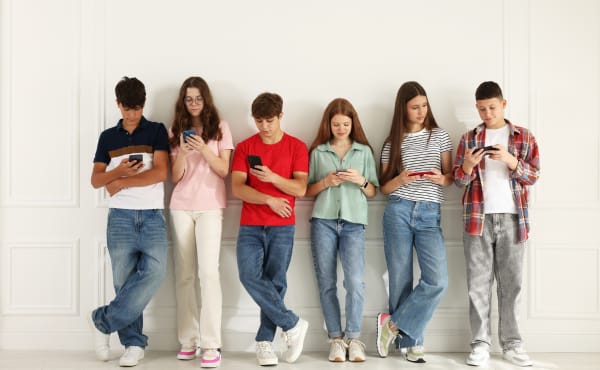
Australia's world-first social media ban for under-16s has been in place for around a week. The government is calling it a win for parents and a historical cultural moment, teenagers are migrating to new platforms, and the rest of the world is watching closely to see how it all goes. So, in this Squiz Shortcut - the third part of our 3-part series on the ban - we’ll take a look at:
What’s happened/changed
What the reaction has been
And what’s going to fill the gap…
Prefer to listen or watch?
Listen to Andrew Williams and Bryce Corbett cover this topic in this Squiz Shortcut podcast episode, or check it out on YouTube - and hit subscribe while you’re at it.
Listen time: 12 minutes
Squiz the Shortcut
We’re on the other side of Deactivation Day… How did it go?
The first week of the social media ban saw the government spruiking it as a win for kids and parents, with reports some 200,000 TikTok accounts in Oz were shut down in 24 hours. And in the wake of the Bondi terror attack there were claims the ban prevented “more than two million kids” from seeing graphic images and video of the shootings and their aftermath.
So, its effects are being felt … How have the apps gone about checking the age of users?
On a practical level, many of the platforms have implemented age verification measures. Snapchat, Instagram, Facebook, and TikTok have all been asking users they suspect are under 16 to verify their age.
What tech are they using?
They’re using various verification methods. There's been plenty of debate about whether the technology can actually distinguish between the face of a 16yo and a 14yo, but with the world watching, PM Anthony Albanese described the implementation of the ban as one of the most ‘profound social and cultural changes’ in our country’s history.
How many accounts were blocked?
The PM says about 440,000 Snapchat accounts, 150,000 Facebook accounts, and 350,000 Instagram accounts held by kids aged 13 to 15yo needed to be shut down. Exactly how many were shut down though is unknown.
Did he have any advice for the kids?
Yep, he told them to "make the most of your school holidays, start a new sport, learn a new instrument, or read that book that's been sitting on the shelf for some time."
Lol… How did that go down?
While the theory of reading a book instead of scrolling on a phone might sound quaint - or unlikely - the idea seemed to go over well with lots of parents (and they’re the ones who vote).
How has it gone over internationally?
It’s attracted a heap of attention… Legislators as far away as Denmark, the UK, the US, and Norway have all called on their governments to follow Australia's lead, and a couple more have taken steps to progress things in parliament.
Which countries are they?
Spain’s PM Pedro Sánchez called on the parliament to pass a bill raising the minimum age for social media to 16yo. And in France, President Emmanuel Macron has threatened to ban social media for under-15s - that’s been backed by a parliamentary commission which has also recommended an overnight ‘digital curfew’ for teens aged 15 to 18yo.
Who else is supportive?
Digital detox advocates have applauded the move. Jonathan Haidt, the US author who wrote The Anxious Generation, gave it near-universal praise. His book's been hugely popular among parents and politicians, and actually played a part in how this ban came about here in Australia.
What has he said about it?
Haidt acknowledged the ban might not be perfect and that kids will find ways around it, but he argued that in years to come, its greatest achievement will be removing kids from the algorithm - aka the complex, continuous data-collecting exercise tech companies are engaged in every time someone's online.
Just explain that a bit more…
Using algorithms that track the patterns of your online behaviour/preferences/clicks, the platforms work out who you are, what you like, what your insecurities might be, and then serve up content to exploit that, usually for a client's commercial gain.
Got it… And that’s been targeting kids?
Yep… And Haidt's argument is that anything protecting kids from that process before their brains are mature enough to deal with it or resist it is a manifestly good thing.
Has the ban come in for any criticism?
Plenty… Especially from teen mental health advocates - they’ve opposed the ban from the outset and they’ve doubled down in the past week…
Remind me why that is again?
They’re concerned that cutting vulnerable kids off from online communities will be detrimental to their mental health, and they've called the ban a blunt instrument to solve a complex problem.
How have teens reacted to it generally?
Loads of kids spent last week gleefully pointing out they could still access YouTube and TikTok without an account. Many of them spent the days leading up to 10 December frantically downloading their photos and data from the banned platforms and migrating to ones that weren't captured in the ban. That meant apps like Lemon8 and Yope suddenly saw a spike in downloads from the App Store as kids started congregating where the ban wasn't in place.
Is the government on to that?
You bet… Communications Minister Anika Wells reminded everyone that this isn't a set-and-forget measure. The eSafety Commissioner Julie Inman Grant will be constantly monitoring the internet landscape, looking for apps that are popular among kids and bringing them into the ban if necessary. Which brings us to one of the major criticisms circulating this week…
What’s that?
It’s that gaming platforms have escaped regulation entirely. So, online games like Roblox, where kids can message each other and which are incredibly popular with kids as young as 5yo, continue to be outside the ban. But many parents and industry experts are saying these are just as dangerous and need to be included.
And some teenagers have challenged the ban in court… What’s happening there?
Yep, 2 Australian teens, supported by the Digital Freedom Project - which is the brainchild of NSW Libertarian Party MP John Ruddick - launched a legal challenge in the High Court last month. They're arguing the ban breaches an implied right to political expression embedded in the Australian Constitution. And last week, Reddit added its name to the list of High Court plaintiffs, saying it's been wrongly included.
So, where do things go from here?
The ban has bipartisan political support. It’s law, it's enacted, and it's popular among parents, so it’s going nowhere for the moment. But while restricting young Australians' access to social media may put a brake on their exposure to online dangers, questions are now being asked about what we do as a nation with these crucial teen years we've apparently won back.
Apart from reading books and riding bikes?
Yes, apart from that… There are calls for widespread education programs to better train teens for the online environment so they’re not thrown onto social media apps at 16yo without being prepared for what they'll encounter there.
What sort of education would help with that?
Experts are predicting there's going to be a lot of talk in the next 6 months specifically about digital and media literacy to teach kids how to think critically about the flood of content they encounter online.
Why do they need that?
Because, even though kids are being removed from social media, they’ll still be able to access the internet, so they’re still going to be exposed to all the mis- and disinformation that flourishes there. Their ability to tell online fact from fiction is going to be as crucial as ever.
What’s happening in that space?
The government has pointed to a National Media Literacy Plan that it's committed to formulating, but critics say the 3-year timeline is too long and it’ll be too late for thousands of teenage internet users. They say there’s a need for widespread, government-mandated media literacy education, just as many countries around the world have already put in place.
So, Australia's taken the first step with the ban…?
We have… But the real work of preparing young people for their digital lives might just be beginning. In the meantime, we'll continue watching to see how it unfolds in the coming months - and we’ll keep you posted across Squiz Today, Shortcuts, News Club and of course, Squiz Kids, where Newshounds, our free media literacy program for kids, has never been more useful.
For the person who's done with doom-scrolling


Some of the best gifts teach you something new and get you off your phone. Cardigang's DIY kits have everything you need to make jumpers and scarves (yes, even if you've never touched yarn before). Forget panic-buying another candle and consider the gift of a new hobby. It’s the ultimate anti-doom-scrolling device that comes with bragging rights. Take a peek at Cardigang's feel-good kits.
Onto our Recommendations
Reading: This article (paywall) in the Daily Telegraph which claims millions of kids were shielded from images and video of the Bondi terror attack because their social media accounts have been shut down…
Listening: This episode of The Guardian’s Today in Focus podcast speaks to 3 teens about the social media ban on Deactivation Day and how they’re feeling about it…
And we’re closing out Shortcuts for the year with an edition of Ask the Squiz. If you’ve got a question about the news you’d like us to tackle, email us at [email protected] or drop us a voice note here (it’s super easy)…
Recent Shortcuts
 | Social media ban series - Part 1: How did we get here? |
 | Social media ban series - Part 2: How will it work? |