- Squiz Shortcuts
- Posts
- What is the Taroom Trough?
What is the Taroom Trough?
What is the Taroom Trough?
With the war in the Middle East putting pressure on global fuel supplies, there’s a lot of focus on how we source our fuel in Australia and whether we should be producing more of it at home. With that in mind, there’s now a heap of attention on sites like Queensland’s Taroom Trough - a source of crude oil and natural gas that the Queensland Government wants to fast-track extraction approvals for. So in this Squiz Shortcut, we’ll get you across:
What’s involved in mining it
What the issues are
And where things are up to...
Squiz the Shortcut
First up, what’s the Taroom Trough?
It’s basically a huge underground trench that contains oil and natural gas. Think of it like a deep container where resources have collected over millions of years.
And where exactly is it?
It takes its name from the small rural town near it of Taroom, which is in the wonderfully-named shire of Banana, about 300km north-west of Brisbane. The exploration area alone is roughly the size of Singapore, or 750 square kms, but the whole thing is thought to be around 50,000 square kms - in other words, it’s massive.
Why is it getting so much attention right now?
It’s been identified as a source of high-quality crude oil and natural gas - 2 resources in hot demand here and around the world since the war in Iran broke out in late February, effectively blocking fuel shipments from getting through the Strait of Hormuz.
Remind me what’s happened to our domestic production of oil?
We’ve wound back our oil production in Oz over the past 25 years because it’s cheaper for us to buy imported fuel from mega-refineries in Asia. We’re down to 2 major oil refineries here and we now import around 90% of our fuel. But that leaves us exposed when there are disruptions in the global supply chain. So there’s a lot of interest in how we can build up our domestic supply again.
Where are we looking?
As well as in Queensland, energy companies are exploring sites in the Northern Territory, and in the ocean off the coasts of Victoria and Western Australia. But the biggest one - and the one creating the most buzz - is the Taroom Trough, even though it’s proving to be a tricky job getting the oil out…
Why is that?
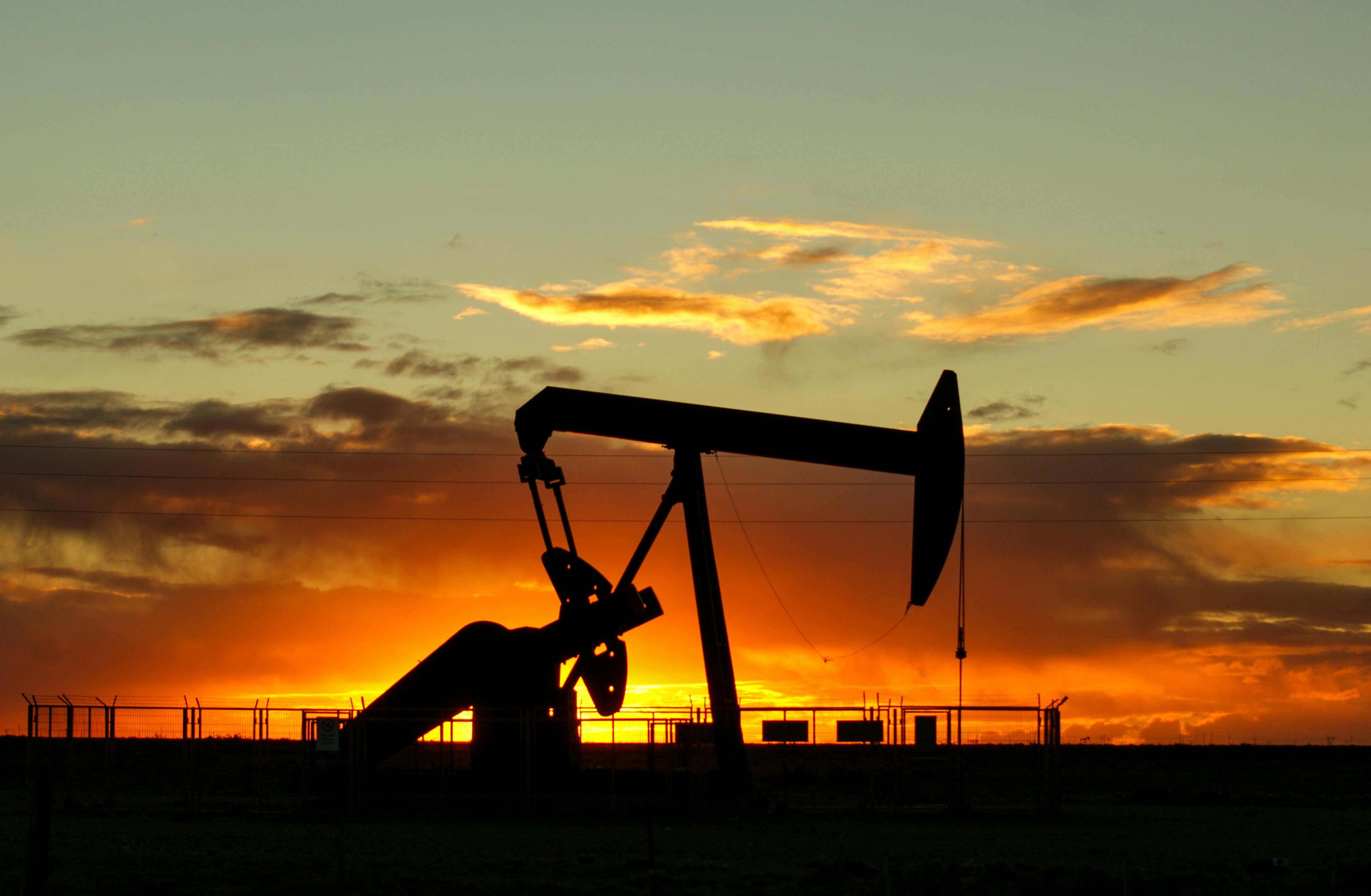
As with a lot of our natural resources, it’s not easy to get at - it lies about 3 to 4 kms underground. That said, though, big energy companies like Shell and Omega are already extracting oil from there.
How much are we talking about?
Experts say it’s shaping up to be our first new oilfield in 50 years and could meet around a quarter of our national fuel needs. But before we get too carried away with that figure, it’s still very much in the early stages. There’s a lot we don’t know yet about how much oil and gas is actually there, how much of a job it’ll be to extract at scale - and whether it stacks up commercially.
Where are things up to?
Companies are still in what’s called the appraisal phase. Around a dozen acquisition wells are being drilled to better understand what’s there. That’s basically when exploratory wells are drilled to gather information about what the site could produce…
And what are they finding?
Shell is producing small amounts (around 200 barrels a day) of high-quality crude oil which is being trucked to a refinery and turned into diesel. And another company, Omega Oil and Gas, is also talking up the site’s potential. Its CEO Trevor Brown says this could be a really large oilfield - something that could be producing for generations, bringing jobs and a heap of money. And the type of oil they’re finding is part of why they’re so optimistic…
Tell me about the oil being extracted…
It’s being described as light crude, which is easier to refine into products like diesel and jet fuel than heavier sorts. Light crude is thin like cooking oil. It flows easily through pipes and is much simpler to turn into high-value fuels, whereas heavy crude is thick like molasses. It’s harder to pump and more expensive to refine because it has more sulphur and metal particles in it.
How does it compare with oilfields in the Middle East?
The Middle East has what’s called ‘conventional’ oilfields, in that they have oil that’s found in sponge-like rocks with big holes in them. It’s trapped by natural pressure, so when a hole is drilled, it flows up easily… Reports put it at US$10 per barrel to extract - but getting the oil out of the Taroom Trough is a very different story…
What exactly does getting it out involve?
The oil there is trapped in tiny spaces between grains of rock, so the process to get it out is a lot more complex (and expensive at US$40-90 per barrel) because of that. To access it, companies will need to drill deep underground and then across, before using hydraulic fracturing - or fracking - to actually release it.
Remind me about fracking…
So we’re talking about drilling 4 kilometres underground, then horizontally for as much as 2 kilometres through the rock layer. Once that’s done, small explosive charges are used to create initial cracks, and then a mixture of water, sand and chemicals is pumped in at high pressure to widen those cracks so the oil and gas can flow. The practice has been used extensively overseas - particularly in the US - but it’s been linked to a bunch of environmental concerns.
Tell me about those…
It not only requires a lot of water, but there’s a risk of contamination to the area’s waterways, and there are questions about how it’ll impact the surrounding land. In this case, there’s an extra layer of concern because the Taroom Trough sits beneath the Great Artesian Basin.
What’s the Great Artesian Basin?
It’s one of the largest underground freshwater systems in the world, and it’s hugely important because it supports farming communities right across inland Australia. So when you’re talking about drilling and fracking underneath it, you can understand why people want to be absolutely sure it’s being done safely.
What is the Queensland Government saying about that?
It says protecting the basin is a priority, and there are regulations in place. But critics say the scale of what’s being proposed - potentially thousands of oil wells if it all goes ahead - means the risks need to be carefully assessed. But aside from that underground water source, there’s also the question of the land above it.
Tell me about the issues with the land…
This isn’t an empty stretch of outback we’re talking about - the land is used for farming crops and grazing, and it’s owned by farmers who are now being approached by energy companies for access. And while that can come with financial benefits, it also puts landholders in a tricky position.
Are they on board?
Some farmers who’ve spoken to the media about it are excited about the prospects of the money and jobs it could bring, but others are cautious because of those concerns about how it could affect their land and water - and through that, their long-term livelihoods.
So what’s next?
Queensland Premier David Crisafulli has been pushing for the project to move quickly and he’s calling on the federal government to fast-track approvals for the Taroom Trough and to designate it as a project of national interest. But that’s where things get complicated…
How so?
Because even though there was a big overhaul recently of our environmental laws, fossil fuel projects don’t automatically qualify for fast-tracked approvals. They still need to go through the usual assessment processes, especially when there are potential impacts on water systems and the environment.
What’s the federal government’s position?
Federal Environment Minister Murray Watt says he’s open to discussions, but he needs a formal proposal from the Queensland Government first. So at the moment, there’s a bit of back and forth happening between the state and federal governments, which is pretty typical when it comes to projects like this. And sitting behind all of this is the broader debate about climate…
Just explain that a bit more…
Some sections of the community are questioning whether developing new oil and gas projects fits with Australia’s long-term emissions targets and our goals to be a major player in renewables as the world shifts to sources of green energy. Supporters say oil and gas will still be needed for decades, even as renewables grow. Critics, though, say new fossil fuel projects risk locking in higher emissions and delaying the shift to renewables. And that’s playing into why it’s such a live issue.
So what’s the bottom line?
For now, it’s early days - although some in the industry say we could have the infrastructure up and running and producing regular fuel for us by 2028 if we put our skates on… It’s definitely one to keep an eye on.
Onto our Recommendations
Watching: This episode of A Current Affair called Striking Aussie Oil which looks at how quickly the Taroom Trough could be producing oil and what it might cost…
Reading: This piece in The Conversation which goes into what’s required to extract oil from the site and the potential impacts…
The autumn city-swap

Now that the Easter long weekend is done, you might be thinking about your next getaway - and this year's Sydney Comedy Festival could be just the ticket. It's the festival's 21st anniversary, so the line-up is massive: think international headliners at the Opera House and hidden gems in the Inner West. A great reason to book those flights and leave the entertaining up to others - you can have a look at the lineup and start planning out your itinerary now...
Recent Shortcuts
 | What’s at stake in Farrer |
 | The oil supply chain |