- Squiz Shortcuts
- Posts
- Explaining hantavirus
Explaining hantavirus
Explaining hantavirus
Hantavirus has been in the news a lot recently after an outbreak on a cruise ship called the MV Hondius made global headlines. Just 6 years after the beginning of the COVID-19 pandemic, the presence of another little-known virus in the news - and images of people wearing PPE as they’re moved into quarantine - has had some people very nervous. So in this Squiz Shortcut, we’ll look at:
What hantavirus is
How it spreads
And how the attempts to contain it might work from here
🙋🏻♀️ This newsletter was written by Andrew Williams, Larissa Huntington and Sophie Felice
Squiz the Shortcut
Apart from the ship, where might I have heard of hantavirus?
You might’ve heard it mentioned in news reports last year after the American actor Gene Hackman and his wife Betsy Arakawa died. Arakawa - who was a classical pianist - died from hantavirus. Her name has cropped up in reports about this latest outbreak, but it’s probably fair to say that hantavirus isn’t something many people would be familiar with.
Let’s start with what it is…
The first thing to know is that hantavirus isn’t actually an ‘it’ - hantaviruses are actually a family of viruses, and they all have serious implications. They’ve also been around for centuries so they’re nothing new, although some new ones did pop up in the 1990s. And those viruses can cause different diseases.
What sort of diseases can they cause?
The 2 most notable are hantavirus pulmonary syndrome (HPS) which came out of those new strains in the 1990s and hemorrhagic fever with renal syndrome (HFRS)…
Tell me about HPS…
The word pulmonary in that first disease means that it affects the lungs. According to the US Centre for Disease Control (the CDC), the early symptoms of HPS include fatigue, fever and muscle aches, so it’s often mistaken for the flu - but the really serious problems happen when fluid enters the lungs in the later stages of it… Those respiratory issues can cause death in about 38% of people who contract it…
And HFRS?
It affects the kidneys. It involves intense headaches, back pain, nausea and blurred vision…
How do people catch the viruses?
The viruses have different strains but it’s important to note that only one of them can be transmitted from human to human… Hantaviruses are usually contracted via contact with rodents - specifically rodent saliva, urine or droppings. The most common examples of people getting hantavirus-based diseases is when they’re clearing out small spaces and there isn’t much air around.
How common is it for humans to pass it to each other?
Even though the effects can be severe, cases of it are unusual, particularly cases where humans have passed it to each other…
What’s the strain called that can be passed between humans?
It’s called the Andes strain - named after the South American mountain range - and this is the one that is causing the current outbreak. It causes HPS, the disease we mentioned earlier that affects the lungs…
What do we know about it?
Because it’s relatively new - coming out of that new batch of hantaviruses that popped up in South America in the 1990s - we don’t know a huge amount about it. But there is no vaccine or treatment available for it, which is why anyone who has shown signs or come into contact with the members of that cruise ship are being put into quarantine.
How do people avoid it?
Firstly, avoid areas infested with rodents if you’re visiting countries in South America (probably good advice across the board, we reckon…). The other advice is pretty straightforward - wash your hands often, avoid making direct contact with someone who may have contracted the virus - don’t share drinks, vapes, cutlery etc. with them - and generally keep your distance. But experts say it’s much harder to catch than something like the coronavirus.
Why is that?
Because hantavirus works differently… Unlike COVID-19, the coronavirus that caused the pandemic, hantavirus doesn’t spread easily through the air. Put simply, it’s much harder to catch it from someone - you need a much more specific set of conditions.
What sort of conditions?
With COVID you could very easily not even know you were sick, and still infect someone. Not so with the Andes virus. You’d need to have someone who was symptomatic, that is, knew they were sick, in enclosed spaces - like on a cruise ship - for an extended period of time. But it’s also worth noting that unlike norovirus, which commonly causes outbreaks on cruise ships, a hantavirus outbreak on a ship is also relatively rare - but even with all these caveats on how transmissible it is, authorities are still taking it very seriously.
Remind me how the recent outbreak on MV Hondius began?
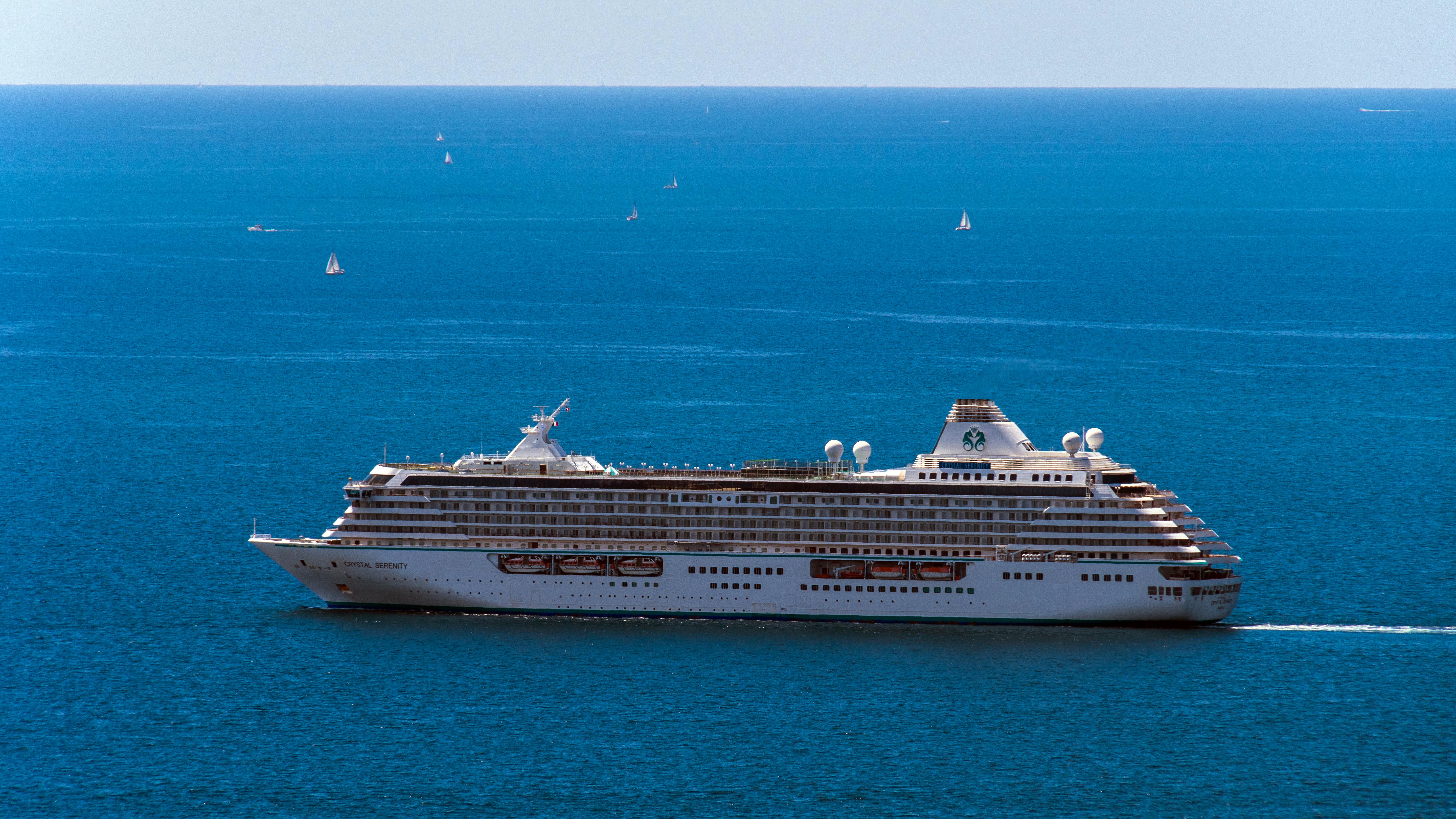
The ship - a luxury cruise - had 147 passengers and crew aboard. There were 12 cases aboard, and of those, 9 have since been confirmed in a lab. Three of those patients died - a Dutch couple who'd been travelling in Argentina and Chile before boarding, and a German woman who’s believed to have caught it on the ship. The travelling couple are how it's thought to have come aboard, and the fact that it was on a cruise ship also made it a bit harder to contain and treat.
Why is that?
For starters, the ship wouldn’t have had the sort of intensive care facilities needed to support someone who had it… And the outbreak meant that there were well over 100 people who had to be evacuated and sent home, including some Australians. Because some of those patients were potentially infected, evacuating them has been done very carefully, with many countries working together.
What’s the condition of the Aussies?
At this point, Australia is the only continent (apart from Antarctica) that doesn’t have a confirmed case of a hantavirus infection in humans. We’re keen to keep it that way, and that’s why you might have seen the passengers being evacuated from the ship in personal protective equipment (PPE) and flown home in a specially chartered plane. The Australians have all tested negative and they’ve been flown to a special quarantine facility in Western Australia, where they’ll stay for at least 3 weeks…
Why are they in quarantine if they’ve tested negative?
Because testing for hantavirus is tricky… You only really know someone has it via a PCR test (or polymerase chain reaction test) when the disease is in its later stages. The quarantine facility where the patients are being housed was built in 2022 as a response to the COVID-19 pandemic. It’s been described as a white elephant before because it hadn’t really been used since it was completed - but it’s come in handy now.
So, this type of situation is what it was built for?
Exactly… It’s one of 3 centres built around the country - the others are in Brisbane and Melbourne. It’s a 500-bed facility in Bullsbrook, a suburb in the north-east of Perth. Up until this point, it was being used for things like looking after people evacuated from bushfires, so, while worthwhile, questions have been raised about its value given that the 3 facilities together cost $1.37 billion dollars…
What other uses could the centres have?
There have been calls to turn the one in Western Oz into a homeless shelter or a prison since it was sitting there empty. But now that it’s having its moment, the state’s Health Minister Meredith Hammat says it’s a safe and appropriate facility for those returning Aussies (who’re from NSW and Queensland, along with one New Zealander) to wait out their 3-week quarantine…
Onto our Recommendations
Reading: This piece from The Conversation goes into detail on how the hantavirus is different from the coronavirus…
Reading: This story from the ABC covers the debate over the quarantine facility in Western Australia
Winter fabrics fixed…

Merino wool and cashmere sound fab - until your jumper pills or loses its shape by lunchtime. Australian brand Paire has gone back to the fibre itself, changing how it’s made so your garment breathes better, holds its shape, and feels lighter than you'd expect. The AW26 collection is available now.
Recent Shortcuts
 | Australia’s immigration debate |
 | The fight against illegal tobacco |