- Squiz Shortcuts
- Posts
- One Nation’s rise in the polls
One Nation’s rise in the polls
One Nation’s rise in the polls
It hasn’t been the smoothest start to the year for the federal government, but the real drama has been playing out on the other side of the fence, where a rise in polling numbers for One Nation and a breakdown in the Coalition are reshaping the right flank of politics in Australia. So in this Squiz Shortcut, we’ll get you across:
the surge in support for One Nation
why it’s happening now
and what it could mean for the future...

Squiz the Shortcut
Another split in the Coalition…?
Yep… The Liberals and Nationals have broken up again after differences of opinion over the hate laws that were drawn up in the wake of the Bondi terror attack and how they impacted freedom of speech. The 2 parties are working to patch things up again, but it’s added to what has already been a turbulent start to the year in Canberra - and political analysts say the infighting is pushing voters away.
Where are they going to?
If you look at the polls, support for one party has surged since last year’s federal election - that’s One Nation. According to Newspoll last month, it more than tripled its primary vote from 6.5% to 22%, putting it ahead of the Coalition (at 21%) for the first time.
Polls are snapshots, not election results - is it a big deal?
The thing is, a steady increase in support for One Nation has been showing up across the board in polls over the past few months - and that’s what’s making people in politics nervous.
Why is that?
Because it represents a big shift in our attitudes, and a wider social divide. It means nearly half the country is now backing someone other than the 2 traditional big parties. Labor’s primary vote is sitting in the low-to-mid 30s, which is the highest of the lot, but it also means we’re looking at a political landscape that’s a lot more fragmented than what we’ve been used to.
Remind me of what One Nation stands for…
Sure thing… It’s a right-leaning party that was founded by Queenslander Pauline Hanson in 1997. She made headlines not only for being a former fish and chip shop owner, but for her hardline views on immigration and multiculturalism - she’s largely against both - and that’s been her consistent message.
What else are they about?
Their website says they’re “a party that stands for Australia and Australian values” and puts “people before politics”. They’ve also gained a lot of support off the back of their position on climate change - they’re calling for Australia to withdraw from the Paris Climate Agreement and abandon our target of reaching net zero emissions by 2050.
Got it… Why are they gaining traction with voters now?
Analysts have pointed out that, in addition to concerns over the government’s climate policy and the Libs and Nats squabbling, it’s on cost-of-living and immigration (tapping into a general fragmentation of social cohesion in Oz) that they’re getting cut-through at the moment - and it’s a trend we’re seeing play out in other Western democracies too.
Where else is it happening?
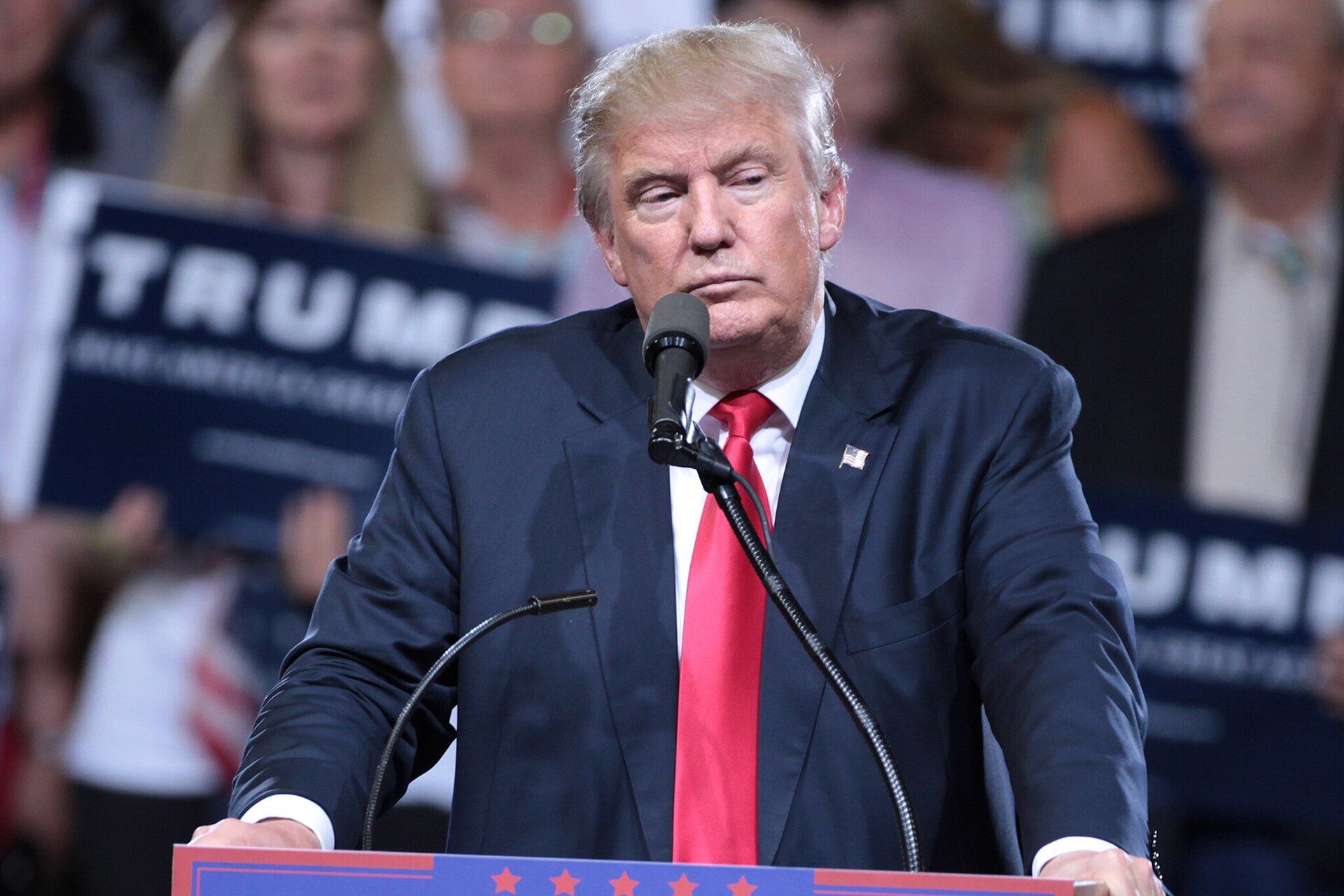
We’re seeing it in the UK with Nigel Farage’s Reform party gaining a lot of support off the back of concerns about immigration numbers and the cost of living. You can also see it in France, where the far right National Rally has become an influential political force. And in the US, you’ve got US President Donald Trump and his protectionist ‘America first’ policies, which were a big part of the campaign that got him re-elected.
Is there any demographic data about the voters One Nation is picking up?
Yep… According to research by DemosAU, most of the party’s newfound support is coming from people over 55yo in rural areas, and amongst voters without a university degree. That’s also a strong demographic for the Nationals.
Has there been competition for votes between One Nation and the Nats in the past?
Squizers who remember the 1998 federal election might recall that there was fierce competition for votes between the 2 parties back then. That time, it was the instability within One Nation that undid its momentum… This time, it’s a different picture - instability in the Nationals is a major story. And One Nation’s now got former Nationals leader Barnaby Joyce on board…
How is Barnaby Joyce set to influence things?
It was big news when Joyce defected to One Nation late last year, and love him or loathe him, he’s a household name in Australian politics - he’s been a voice for regional voters for decades, so he comes with a lot of supporters. Political analysts reckon his move has given One Nation the validity and credibility that it might’ve lacked for voters in the past.
So, does that mean Pauline Hanson or Barnaby Joyce could become leader of the opposition?
It’s a question analysts have been asking over the past week… Going on the numbers right now, that’s a stretch. One Nation would need to convert polling support into actual seats in the House of Reps, and that’s always been its weak point.
Why is that?
Because our electoral system makes it hard for parties like One Nation to break through in metro areas. Their strongest support tends to be in regional and outer-suburban seats, where the Nationals and Liberals are also competing… But it’s not impossible. If One Nation won a handful of lower house seats, and the Coalition continued to fracture, we could end up with a parliament where the lines are much more blurred than they are now…
What about a Liberal-One Nation coalition? Is that on the cards?
For decades, that’s been treated as unthinkable by Liberal leaders who’ve worried about alienating centrist voters. But as we know, politics is a numbers game, and if the Liberals can’t win enough seats on their own, those red lines can start to fade. That said, a formal partnership with One Nation would represent a whole new phase in Australian politics. But some Liberal MPs believe it’d be “healthy” for the party to stand on its own for a while to work out its identity instead of constantly having to compromise.
What would that mean in practical terms?
Without the Nationals, the Liberals would struggle to form government. And the Nationals, outside the Coalition, would lose staff, resources, and the influence that comes with being part of the formal opposition. Meanwhile, One Nation is standing ready to pick up disaffected voters from both parties. So, as we mentioned, this leaves us in unprecedented territory...
And what has Labor got to say about all of this?
For Labor and PM Anthony Albanese, there’s a short-term political upside. A divided opposition is a gift, especially after a difficult month for the government. When asked about it, Albanese said: “You can’t fight for Australians if you are obsessed with fighting yourselves, and that is what the former Coalition has become”.
But is it all good news?
There’s been no shortage of column space in the media over the past week pointing out that governing in a more polarised society brings its own risks - especially if the housing shortage and cost-of-living pressures continue to bite. So, whether One Nation can hang on to its rise in support could depend not just on what the Libs and the Nats do next, but on whether Labor can deliver on its election promises.
Onto our Recommendations
Reading: This article in The Conversation is a good one if you’d like to dive deeper into the reasons behind those One Nation poll numbers…
Reading/listening: Our Squiz Shortcut on the rise of Nigel Farage and his Reform party takes a look at the far-right movement in the UK. You can listen to it here…
Lightening the load for 2026

There's a special kind of defeat in watching your suitcase come along the carousel looking like it came off second-best during the transit shuffle... Samsonite has been at it for over a century, and they've nailed the balance between lightweight and durable - handy when you're pushing weight limits or travelling frequently. Check out their range of travel essentials here.
Recent Shortcuts
 | Ask the Squiz: Ambassadors, NATO and shark culling |
 | Trump's Jeffrey Epstein headache |