- Squiz Shortcuts
- Posts
- A shark attack spike
A shark attack spike
A shark attack spike
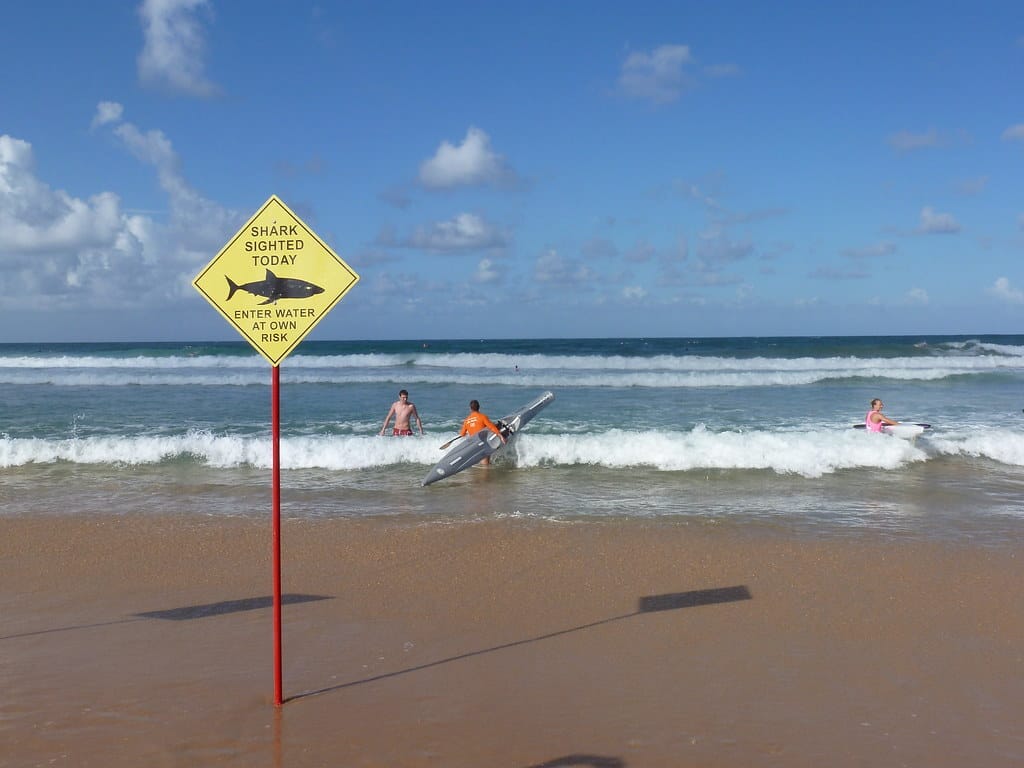
A spate of shark attacks in the past week has restarted the national conversation around the apex predators we share the ocean with… In NSW, 4 attacks in 48 hours (one of them fatal) have prompted beach closures and warnings to stay out of the water while conditions are murky and less safe. The topic of beach safety isn’t new for Australians but many of us aren’t across how weather can play into things when it comes to sharks. So in this Squiz Shortcut, we’ll look at:
our history of shark attacks
why they seem to be becoming more prevalent
and how we can stay safe
Squiz the Shortcut
Let’s get right to it - is it safe to swim at the beach in Oz?
Not in some parts of NSW at the moment… Authorities are warning people from Sydney up to the Mid North Coast to stay out of the water after the recent heavy rain and storms.
How do rain and storms play into things?
The recent weather in coastal NSW, especially around Sydney, has led to murky oceans from stormwater and sewage runoff, drawing baitfish and, in turn, sharks. Combine that with warmer sea temperatures, and it’s created ideal conditions for increased bull shark activity.
What’s happened over the past week?
The first attack happened on Sunday afternoon when 12yo Nico Antic was bitten on both legs while swimming at Shark Beach in Sydney Harbour. He fought for his life for nearly a week but on Saturday his family announced that he had died. On the same day Nico was attacked, an 11yo surfer’s board had a chunk taken out of it by a shark at Dee Why in the city’s Northern Beaches. The next day, a 27yo surfer was badly bitten at Manly, just south of Dee Why - he too is in critical condition in hospital - and on the mid-north coast, a 39yo surfer was attacked at Point Plomer beach, but escaped with minor cuts.
Yikes… How frequent are shark attacks in Oz?
Australia averages around 20-plus shark incidents a year… Last year, the Australian Shark-Incident Database counted 23 recorded shark bite incidents nationwide, and 5 of them were fatal.
Is there a pattern?
The database shows the number of shark encounters has gradually increased over the past few decades, partly because our population is increasing. More people swimming in coastal waters plus better reporting systems equals more incidents being captured. The good news is that most of them aren’t deadly. Fatal shark attacks are still extremely rare, even if the total bite numbers are rising.
Where are they happening the most?
NSW records the highest number of shark interactions, but again, that’s down to it having the largest coastal population and some of the country’s most popular beaches. Next on the list are Queensland and Western Oz.
Are certain types of sharks more likely to be involved?
Yep. While dozens of shark species live in our waters, most encounters involve bull sharks, tiger sharks and great white sharks - this is because they’re around the areas we like to swim and surf, particularly in the summer months.
Why are sharks around more in summer?
There are a few theories: Some experts say climate patterns and warmer sea temperatures may be influencing shark movements, drawing them further south in migratory patterns. Another factor is heavy summer downpours and storms flushing effluent into waterways. This attracts small fish, which sharks then follow closer to shore and into rivers/harbours where people are swimming.
So why do sharks attack people?
Despite what Jaws would have you believe, sharks aren’t out to eat us. Most attacks are believed to be cases of mistaken identity, where a shark confuses a person with its usual prey, like a big fish or a seal. Murky conditions add to that because they reduce visibility, making sharks more prone to accidentally biting people, testing if they’re prey.
What’s being done to prevent attacks?
We use a range of measures in Oz like shark nets across sections of beaches, SMART drumlines that capture and release tagged sharks offshore, drones to patrol beaches, and tagging programs to alert authorities when sharks approach busy areas. These are then communicated out via apps like Shark Smart and Dorsal… As for the overall effectiveness and environmental impact, that continues to be debated.
How about personal shark deterrents? Are they an option?
For sure… Many people now use those devices on surfboards and wetsuits, and some state governments even offer rebates for approved devices to encourage uptake.
So, what should I do if I see a shark?
Experts generally advise to stay calm, get out of the water smoothly and steadily, and follow beach safety guidelines like only swimming between the red and yellow flags, avoiding swimming at dawn and dusk when sharks are known to hunt, and avoiding murky waters - especially after storms and heavy rain.
What happens after a shark attack?
Authorities often search for the shark involved to reduce the chances of another incident, and in rare cases, they may carry out pre-emptive culling - that’s a controversial practice criticised by conservation groups.
So how do we balance the risk of sharing the ocean with sharks?
Experts say the risk of a shark attack while swimming is still very low. Most beaches are patrolled, and drowning or getting caught in a rip are still far more common risks involved in ocean swimming than shark bites. When conditions are clear, the advice is to enjoy the ocean as usual, but stay shark smart and swim in safe conditions.
Onto our Recommendations
Reading: One thing that’s come up a lot in coverage of the shark attacks over the past week has been the rising number of bull sharks off NSW beaches and in Sydney Harbour in particular. If you’re interested in some further reading on that, The Conversation has published a helpful article that delves into some of the reasons behind it.
Reading: And Kate has recommended a piece that discusses how Aussies, as a nation of beach-lovers, can manage the risk posed by sharks without giving up swimming in the ocean - that’s by Andre Slade in Ocean Swims…
Send us your questions: Our next episode of Ask the Squiz is out next Thursday. If you’ve got a question about the news that you’d like Claire and Andrew to tackle, email us at [email protected] or drop us a voice note here and you might hear yourself on the pod.
A fix for an overstuffed suitcase

If you’re anything like us, packing for the holidays means a bulging suitcase... To help with that, Brisbane brand Simplify Living has created vacuum travel bags that compress with a small handheld pump - squeeze the air out and watch your stack halve in size. Genius... Find out more here.
Recent Shortcuts
 | Why hate speech laws are so hard |
 | Why Trump wants Greenland |